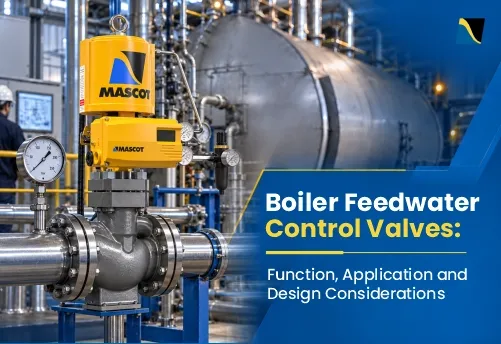
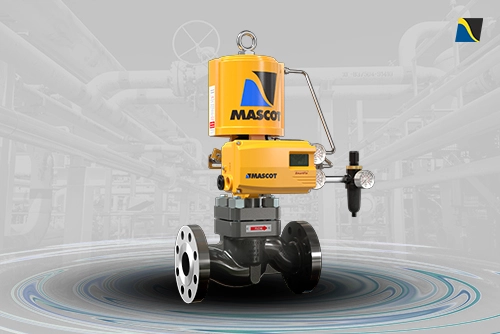
A boiler feedwater control valve regulates water flow into the boiler drum or shell to match steam demand and maintain the operating water level. Too little water...
A boiler feedwater control valve regulates water flow into the boiler drum or shell to match steam demand and maintain the operating water level. Too little...
A control valve must not be selected based only on the fact that the plant is making hydrogen. A plant making blue and green hydrogen makes use of valves...
A cryogenic valve often looks noticeably different from a standard process valve. Between the body and the actuator sits a long, narrow section that ordinary...
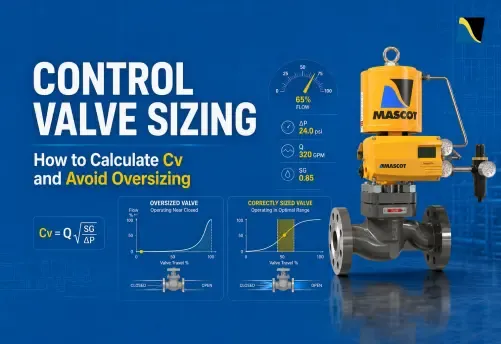
A control valve can pass the required maximum flow and still be the wrong valve for the application. If it operates near shutoff at normal load, the loop...
Cryogenic valve selection involves more than checking whether a valve can withstand a low temperature. Extremely cold fluids can change material toughness,...
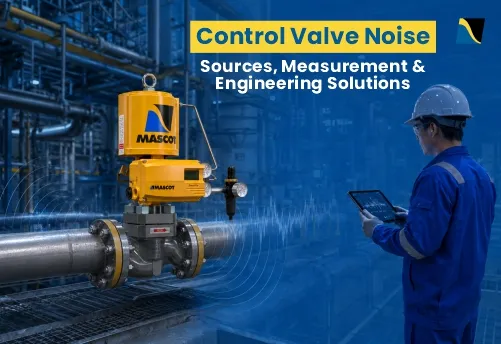
A noisy control valve is rarely just a noise problem. In most cases, the sound is a symptom of something happening inside the valve or the connected piping:...
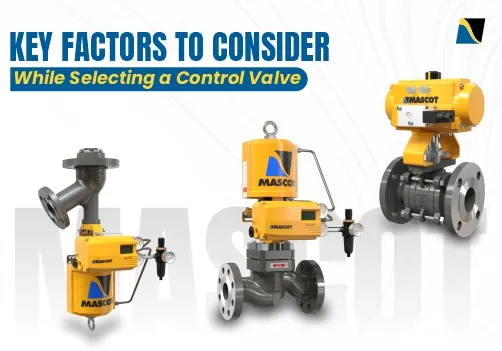
Selecting a control valve is an engineering decision, not a catalogue exercise. A valve that matches the pipe size or pressure rating can still cause poor...
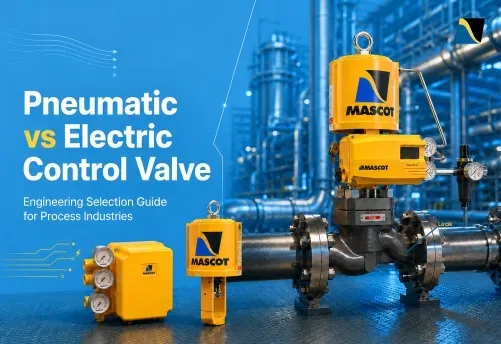
Choosing between a pneumatic and an electrically actuated control valve is not a preference question. It is an engineering decision with real consequences...
Why the actuator choice matters
The actuator determines how effectively a control valve converts a signal into motion. It governs responsiveness, shut-off...
Introduction
Control valves are often one of the most overlooked components in process automation — yet their performance has outsized influence on process...
Introduction
Control valves are the “throttle points” of every process plant. When they perform well, your operation runs smoothly. But when they don’t,...
Introduction: Why Fugitive Emissions Matter More Than Ever
Across the globe, industries face growing pressure to control fugitive emissions—small but...
Introduction
The Heart of Industrial Flow Control
Every process plant, whether it’s a refinery, power station, or chemical facility, relies on control...
Introduction – Why Valve Type Matters
In industrial automation, the control valve defines how precisely your process performs. Each fluid service—whether...
Introduction
Valves are the unsung regulators of process reliability ensuring every plant operates safely, efficiently, and profitably. Some valves adjust...
Introduction: The Hidden Enemies of Industrial Flow Control
In the world of industrial fluid handling, cavitation and flashing are often underestimated—but...
Introduction
Choosing the right control valve supplier is a strategic decision that impacts your plant’s performance, process efficiency, and long-term...
Introduction
Before there were automated controls, managing the flow of water, steam, or gas was done by hand.
Think back to the days of steam engines,...
We’re here to assist you! Whether you have a question about our products, need assistance with an application, or just want to say hello, we’d love to hear from you. You can reach us by filling out this contact form.